
Become top choice and win up to 10x more business.
Potential clients narrows their choices before reaching out. Their decisions are shaped by your storytelling, and online and physical presence. How you meet them defines their experience, and whether they choose to engage and remember you favorably. Or not.

McKinsey & Gartner studies show that 70-80% of the B2B buying process happens before first contact.
When a brand is trusted, credible, and top-of-mind, buyers gravitate toward it. They seek it out. A strong brand can convert up to 10x better than an unknown competitor, reducing customer acquisition costs and shortening sales cycles. A recognized brand builds demand before the first conversation, while an unknown one fights for attention.

If you’re not already on a buyer’s shortlist before they reach out, you probably never will.Buyers prefer brands with clear positioning, demonstrated expertise, and strong social proof. Without these, companies are forced to compensate with aggressive sales tactics, which are costly and unsustainable. A strong brand, on the other hand, attracts buyers naturally, creating a pull effect that strengthens partnerships, distribution, investment, and talent recruitment.
The three essentials of brand growth: mental availability, physical availability, and brand preference.
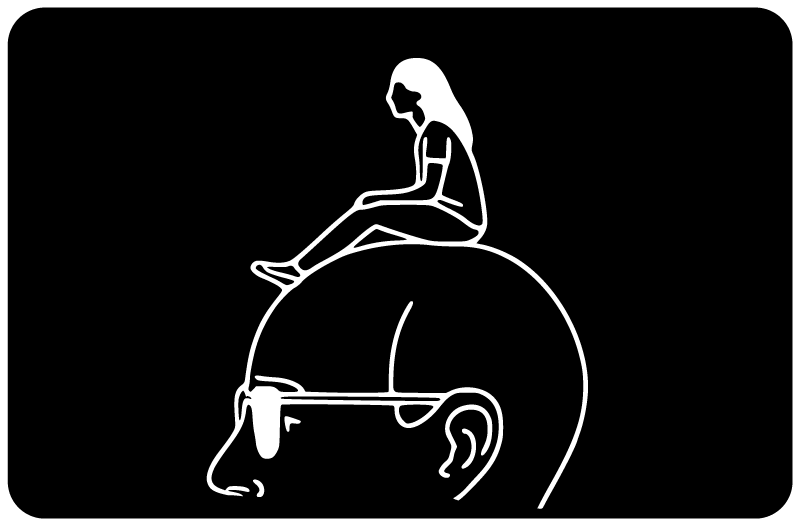
Top of mind
-
Make your brand the first that comes to mind when customers are ready to buy, increasing your chances of winning the sale with minimal effort.
Consistent branding, messaging, and distinctive assets (logo, color, tagline).
Repetitive exposure through advertising, content marketing, and social proof.
Positioning in category entry points—the moments when customers start considering options.
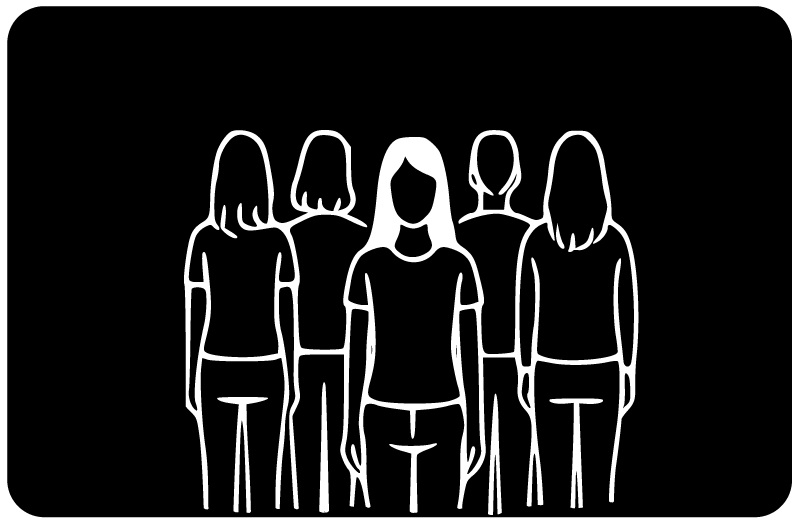
Easy to find
-
Make it effortless for customers to find, purchase, and get in touch with your brand across multiple online and offline touchpoints.
Be present where and when buyers need you.
Optimizing e-commerce, retail, and direct sales channels for seamless purchase.
Reducing friction in pricing, availability, and supply chain logistics.

The first choice
-
Creating a meaningful connection that makes buyers actively choose your brand over competitors.
Preference drives loyalty and repeat business.
Preferred brands face less price pressure.
Customers are willing to pay more
Deliver consistently high value, quality, and customer experience.
Build an emotional connection through storytelling, brand purpose, and authenticity.
Leverage customer advocacy and social proof to reinforce preference.
Fast-moving consumer, corporate, and luxury brands all rely on mental availability, physical availability, and brand preference, but they prioritize these factors differently to align with their unique market dynamics.
Get in touch for a talk about your market dynamics.
Then, suddenly, in comes the customer
Your customer can be anyone; from people who want to buy your product or service, to new talent seeking career advansement, and even investors looking for solid returns. Initially they look very different, but they all have one thing in common: specific sets of needs, or demand points.
A customers demand points is a set of functional, emotional, social, and aspirational motivators. These motivators compel customers to consider their options. They seek to understand which products or services effectively address their problems, add value or make them happy.
Paying attention to and identifying your customers’ demand points creates an additional gravitational attraction beyond advertising and paid exposure. In branding, utilizing demand point sets helps create mental availability for the right customer and guides how to focus brand preference.

70% of consumer decisions are based on emotional factors.
However, it's crucial to acknowledge that only 30% of consumer decisions are based on rational factors, while a striking 70% are driven by emotional factors.
Therefore, to truly connect and build lasting preference, brands must prioritize understanding and addressing these emotional drivers. It's not just about what you sell, but how you make them feel – that's the ultimate gravitational pull.